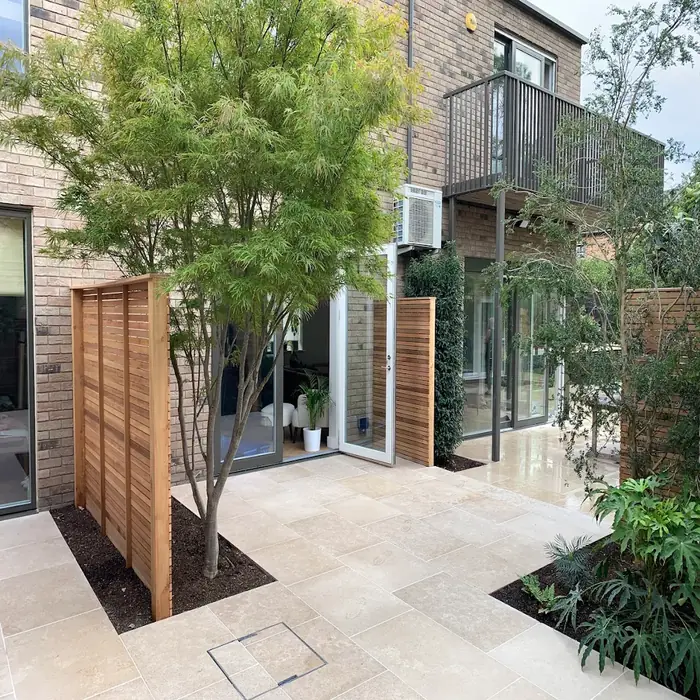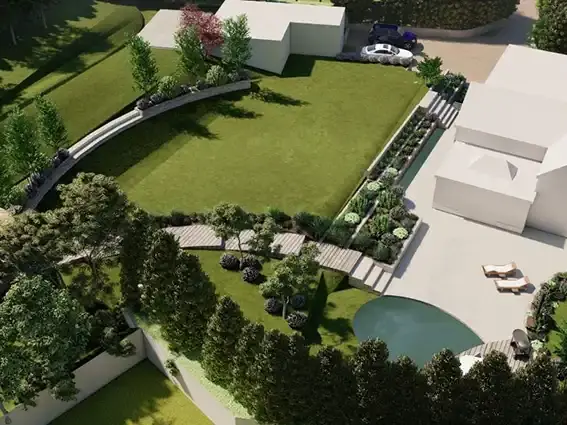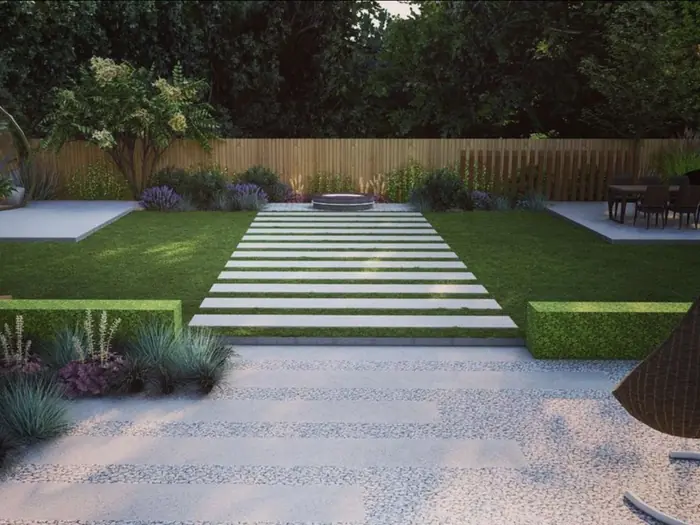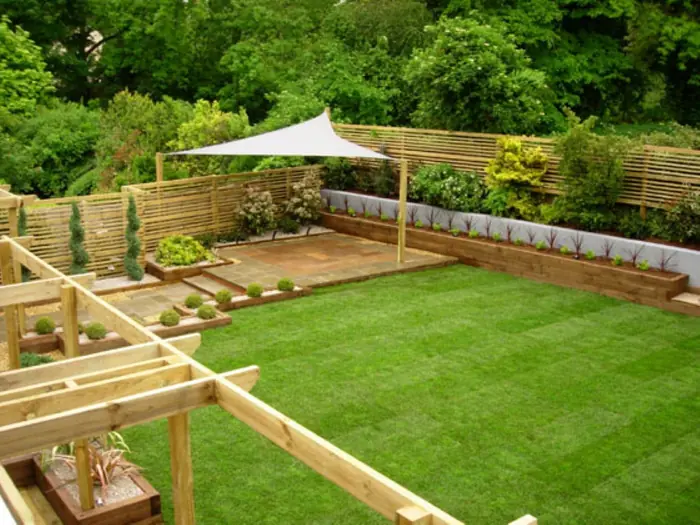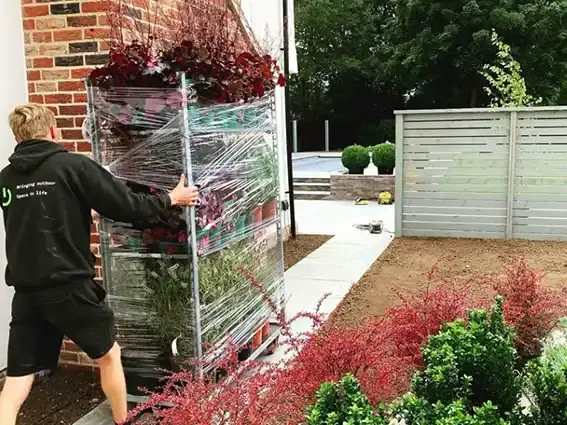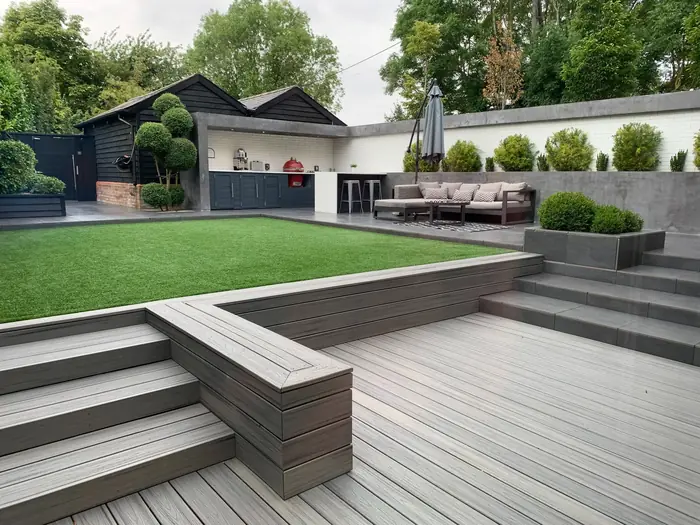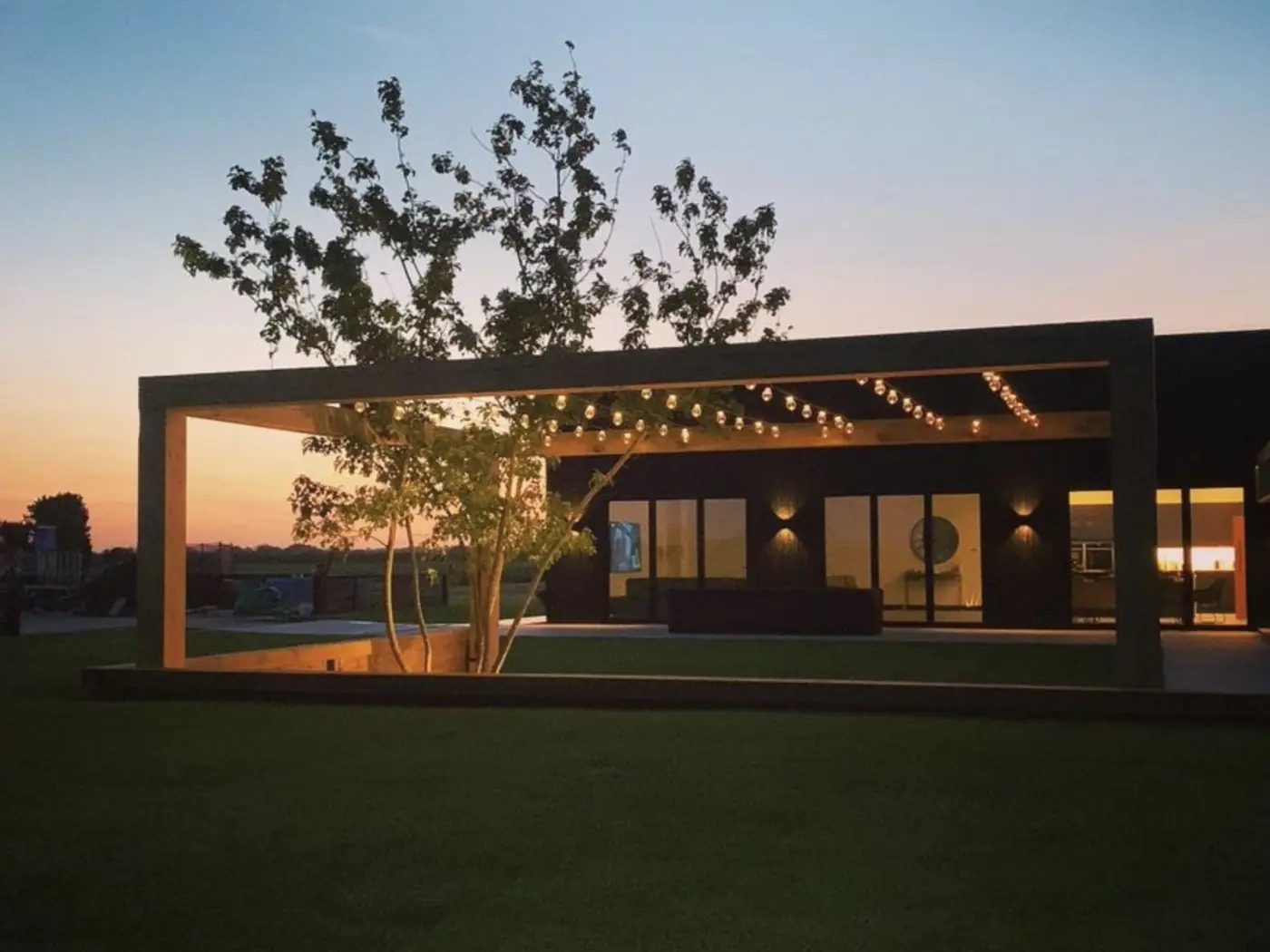
For many homeowners, the tempting part is choosing paving, decking, planting, or a new seating area. Those choices matter, but they should come after the plan. If the layout is wrong, even expensive materials can feel awkward. If the planting is too demanding, the garden can start to feel like another chore. If access, privacy, or drainage are ignored, the prettiest design can become frustrating once daily life gets involved.
What Makes a Good Garden Design?
A good garden design balances appearance, function, comfort, maintenance, and durability. It should feel attractive from the house, pleasant to spend time in, and practical enough to use without constant compromise.
That balance will look different for every home. A compact garden in Cambridge may need clever zoning and privacy. A larger village garden may need stronger structure so the space does not feel empty or disconnected. A family garden may need an open lawn, robust materials, and clear routes. An entertaining garden may need seating, lighting, shelter, and easy movement between the house and the outdoor space.
In our experience, homeowners often have a strong sense of how they want the garden to feel, but need help turning that into a clear layout, 3D plan, and costed build route. That is where a professional bespoke garden design service can be useful. It helps move the project from ideas and saved photos into a plan that can actually be built.
Start with How the Garden Needs to Work
Before choosing features, think about use. Who uses the garden? When do they use it? What gets in the way at the moment? What would make the space easier to enjoy?
Some households want a quiet seating area for evenings. Others need space for children, pets, outdoor dining, gardening, storage, or regular entertaining. A useful design starts with those habits, then shapes the garden around them.
Think About the Main Garden Zones
Most successful gardens have zones, even when the design feels simple. These might include:
- A main seating or dining area close to the house
- A lawn or open space for children, pets, or visual breathing room
- Planting beds for structure, colour, and privacy
- Paths that make movement feel natural
- Storage or utility areas for bins, sheds, and tools
- Screening where privacy matters
- A secondary seating spot for sun, shade, or a different view
The point is to give each part of the garden a reason to exist.
Design Around the Property and Local Setting
The garden should feel connected to the home. Materials, lines, planting, and levels all influence whether the design looks natural or forced.
Cambridgeshire gardens can vary widely, from compact town gardens to larger village or rural plots. That makes proportion important. A large patio can overpower a smaller garden, while a tiny seating area can feel lost in a bigger plot. The same applies to planting. Narrow borders may suit a crisp, low-maintenance layout, but a larger garden often needs deeper planting and stronger structure to avoid looking flat.
Match Materials and Planting to the Home
A contemporary property may suit clean paving, simple lines, slatted screening, and restrained planting. A more traditional home may call for softer edges, warmer materials, and layered planting. Neither approach is automatically better. The right choice is the one that suits the house and the way the garden will be used.
Paving, decking, fencing, lawn, and planting should feel like parts of the same idea. If each feature is chosen separately, the garden can start to feel patched together. A cohesive design helps avoid that.
Plan the Layout Before Choosing Features
Layout decisions should come before individual materials. Where will people sit? How will they move through the garden? What do they see from the kitchen, dining room, or living space? Which areas get sun, shade, or wind exposure at the times the garden is most likely to be used?
Sightlines from inside the house matter more than many people realise. For much of the year, homeowners see the garden through windows more often than they sit in it. A well-planned layout gives the eye something to land on: planting, a path, a seating area, a tree, a screen, or a strong change in level.
A 3D plan can also help. It lets homeowners understand scale, layout, and flow before materials are ordered or work begins. If you want to see how planned designs can translate into finished spaces, our recent landscaping projects are a useful place to look for inspiration.
Balance Hard Landscaping and Soft Landscaping
Hard landscaping means the built elements: patios, paving, decking, paths, fencing, pergolas, steps, walls, and structures. Soft landscaping covers lawns, trees, shrubs, borders, and planting.
Good design needs both. Too much hard landscaping can feel stark, hot, and unforgiving. Too much planting can become difficult to manage, especially for homeowners who want a lower-maintenance garden. The balance should follow the lifestyle, not a trend. The RHS gives useful practical advice on permeable paving choices, especially where hard surfaces need to manage rainwater rather than push it elsewhere.
For a family garden, robust surfaces and open space may matter most. For an outdoor dining space, the patio position, route from the house, and shelter may be the priority. For a garden that needs to feel calm and private, planting and screening may carry more of the design.
Choose Planting with Maintenance in Mind
Planting should do more than fill gaps. It can add privacy, soften hard landscaping, create structure, guide the eye, and give the garden interest through the year.
Maintenance needs to be honest. Some homeowners enjoy regular pruning, feeding, and seasonal care. Others want a garden that looks tidy with less input. Neither is wrong, but the planting plan should match that expectation from the start. If soil conditions are a concern, the RHS chalky soil guide is a useful reminder that plant choice should follow the site, not just the look of the border.
Consider Privacy, Shelter, and Comfort
A garden can look good in a drawing and still feel uncomfortable if privacy, shade, wind, or seating position have been ignored.
Think about where people will naturally want to sit. Is the seating area overlooked? Does it catch the sun at the right time of day? Is there a route through the garden that cuts straight through the dining space? Would screening, fencing, or planting make the garden feel more settled?
Privacy does not always mean blocking everything out. Sometimes a carefully placed screen, tree, hedge, or pergola creates enough separation without making the garden feel enclosed.
Think About Drainage, Durability, and Long-Term Use
Good garden design should consider how the garden performs over time. Drainage, access, levels, safe movement, and material choice all affect whether the finished space stays practical.
In a design-and-build project, the best results usually come from considering drainage, access, planting, materials, and maintenance before the first stage of construction. This is especially important for patios, paths, decking, and other hard landscaping, where the preparation beneath the surface affects the finish above it.
If a project involves major level changes, walls, drainage requirements, or permeable paving, check the relevant guidance before relying on assumptions. The Planning Portal paving guidance is a useful starting point for front garden hard surfacing, especially where permeable materials and rainwater run-off need to be considered.
When Should You Speak to a Garden Designer?
It is worth speaking to a garden designer when the project has too many moving parts to solve by guesswork. That might be an awkward layout, a new-build garden, a full renovation, a major patio or paving project, or a garden where planting, privacy, and levels all need to work together.
Professional input can also help when the investment is significant. A clear design gives you a better chance of understanding the project before committing to materials and construction. It can also stop the garden becoming a series of disconnected decisions.
What to Expect from a Garden Design Consultation
A useful consultation should cover your goals, rough budget, preferred style, practical needs, existing problems, and the scope of the project. Photos, measurements, inspiration images, and a list of priorities all help.
You do not need every answer before speaking to a designer. In fact, the consultation is often where the brief becomes clearer. The important thing is to be honest about how the garden will be used, what has not worked before, and what level of maintenance you are prepared to take on.
For larger design-and-build projects, South Cambs Landscapes uses practical planning steps such as site surveys, 3D concepts, detailed costings, revisions, and material decisions to help homeowners move from ideas to a build-ready plan.
How much planning should I do before contacting a garden designer?
You do not need a finished brief, but it helps to think about your goals, budget range, preferred style, and current problems. Bring photos, rough measurements, and a few examples of gardens you like so the first conversation can be more useful.
Is garden design only for large gardens?
No. Smaller, awkward, or new-build gardens can benefit just as much from design because every decision has less room for error. A good layout can make a compact garden feel more usable without overloading it with features.
What is the difference between garden design and landscaping?
Garden design is the plan: layout, zones, materials, planting, levels, and how the space should work. Landscaping is the physical work that brings that plan to life, including patios, paths, fencing, planting, lawns, and construction details.
Can a garden be attractive and low maintenance?
Yes, but low maintenance does not happen by accident. It comes from sensible planting, durable materials, clear edges, practical access, and a layout that avoids fussy areas that are hard to keep tidy.
Should I choose plants or paving first?
Start with the layout and intended use first. Once the main zones, routes, and seating areas are clear, paving and planting can be chosen to support the design rather than compete with it.
What should I bring to a garden design consultation?
Bring photos of the garden, rough measurements, inspiration images, known problems, must-have features, and any budget expectations. It also helps to explain how you use the garden now and what you wish worked better.
Need Help with the Garden of Your Cambridgeshire Home?
If you are planning a garden redesign, garden makeover, or larger landscaping project, it is worth getting clear advice before choosing materials or committing to the build.
At South Cambs Landscapes, we help homeowners plan practical, attractive gardens with design, 3D plans, planting, paving, decking, fencing, and full garden transformations. We can talk through what is working, what needs to change, and what kind of design would suit your home.
To discuss your ideas or arrange a consultation, contact South Cambs Landscapes. You can also call 01763 852288, 07768 200 070, or email info@southcambslandscapes.co.uk.